Bathroom Product Guides
Smart Toilet, Smart Shower & Bathroom Product Guides
Practical guides to smart toilets, flushing systems, low-water-pressure installation, product certifications, smart shower testing, temperature control, warm-up modes, easy-clean floor drains, and OEM or ODM development.
Browse all articles chronologicallySmart toilet guides
7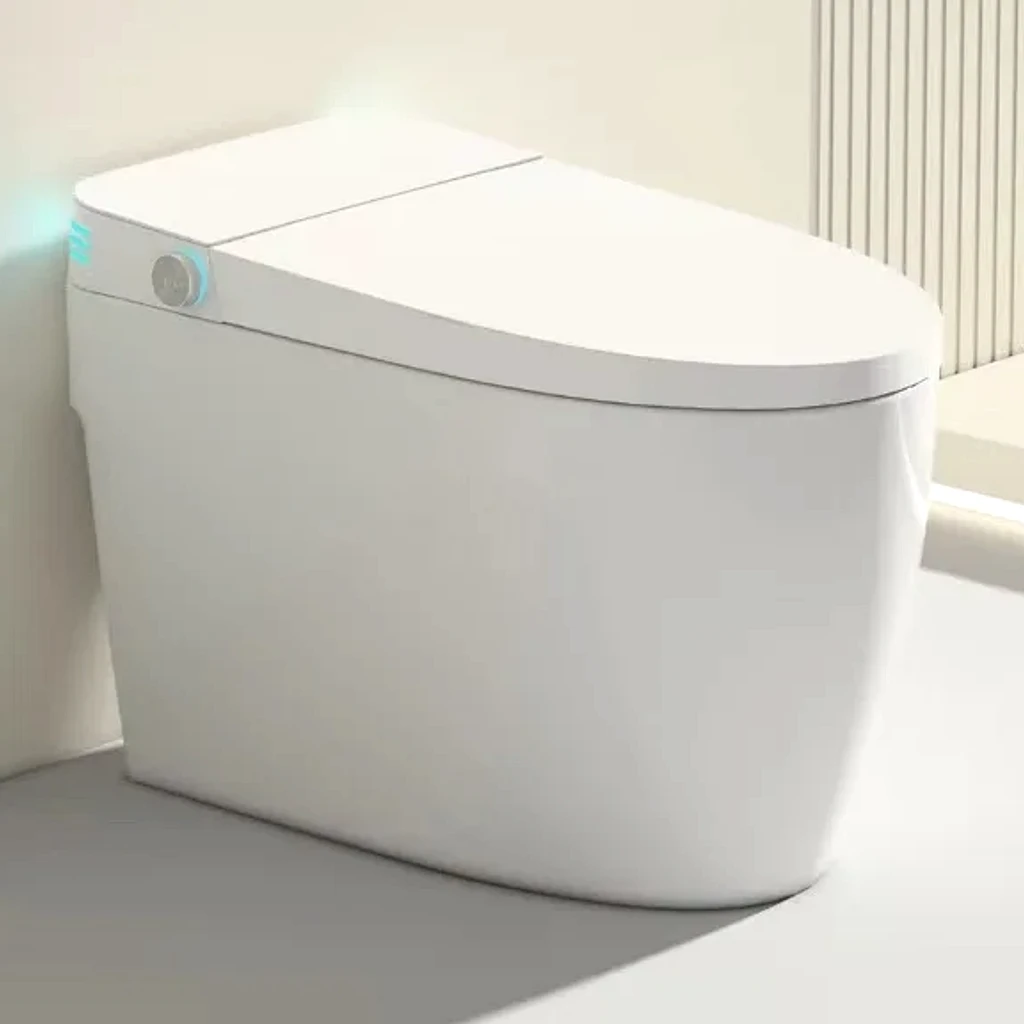
What Is a Smart Toilet? How It Works, Features, Flushing, and Buying Tips
Learn how smart toilets work, including flushing, washing, heating, sensors, safety, installation requirements, maintenance, and buying considerations.
Read article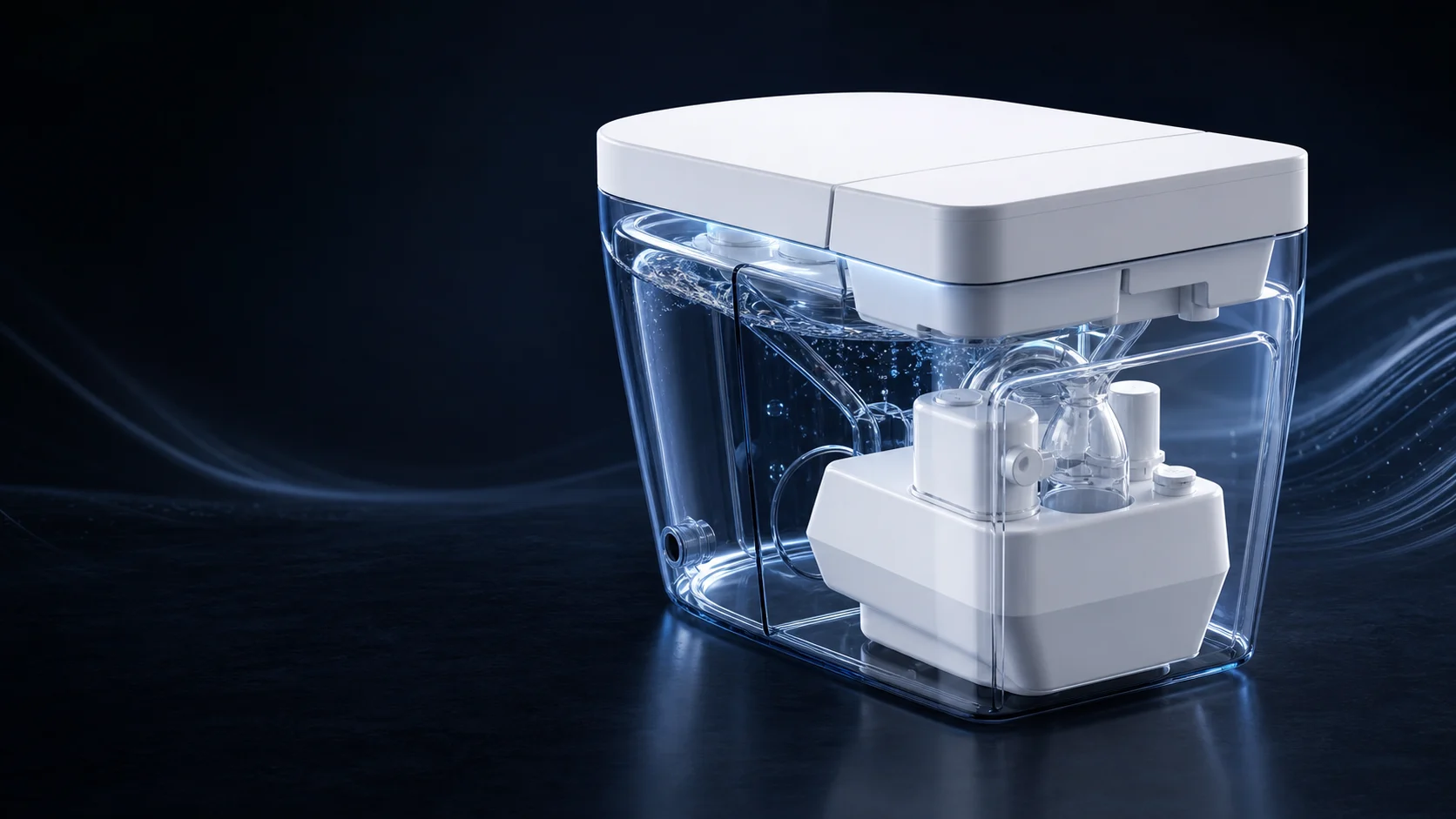
How Smart Toilet Flushing Systems Work: Direct, Stored-Water, and Pump-Assisted Designs
Understand direct-feed, stored-water, and pump-assisted smart toilet flushing, including pressure, flow, water-path, noise, and control tradeoffs.
Read article
Which Certifications Does a Smart Toilet Need? cUPC, WaterSense, CE, WRAS, and WaterMark
A market-by-market guide to plumbing, electrical, water-efficiency, and drinking-water requirements for smart toilets, with clear distinctions between marks and certifications.
Read article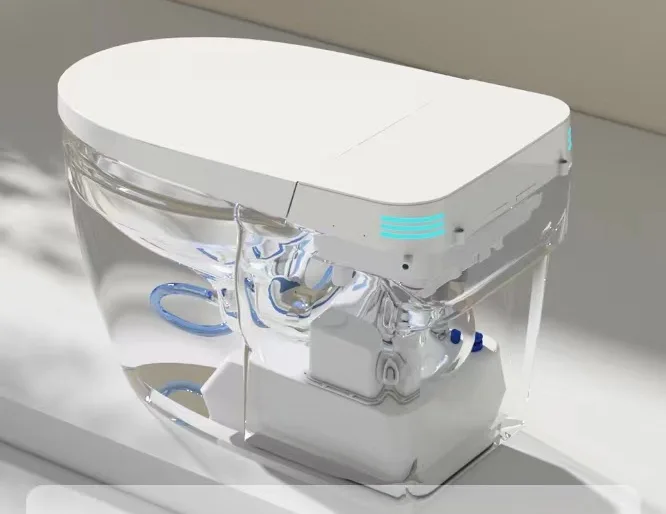
Smart Toilets for Low Water Pressure: Requirements, Flush Designs, and Tests
Learn how static pressure, dynamic pressure, and flow affect smart toilets, how low-pressure flush designs differ, and what to check before installation.
Read articleLow Water Pressure Toilet Flush: Our Axial-Pump Design
Why direct-feed smart toilets fail on weak supply, what stored-water and booster-pump designs each cost, and how our axial-pump flush (CN220318693U) decouples flushing from supply pressure.
Read article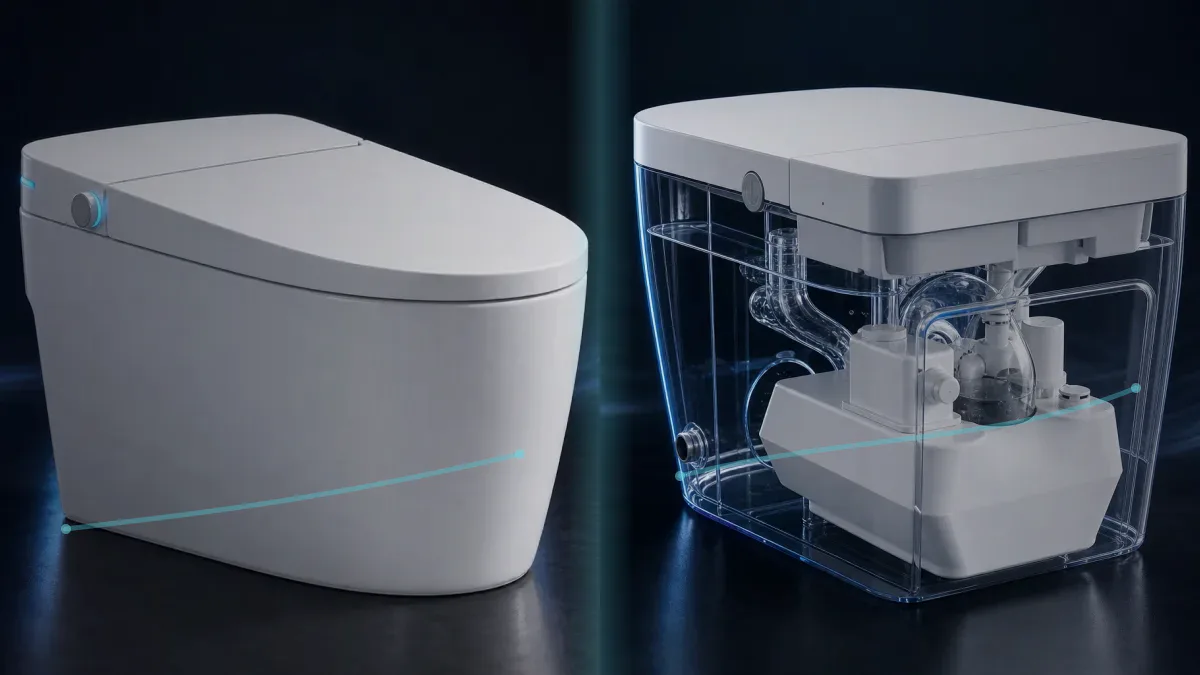
Tankless vs Built-In-Tank Smart Toilets: Flushing, Water Pressure, Noise, and Maintenance
Compare tankless and built-in-tank smart toilet flushing by pressure dependence, size, noise, refill behavior, maintenance, and installation conditions.
Read articleWhy Flip-Waste Toilets Leak and Return Sewer Odor
The moving seal is the known weak point of flip-waste toilets: how seal wear leads to water-seal loss and odor return, and how CN121853662A redesigns the sealing.
Read articleSmart shower testing
4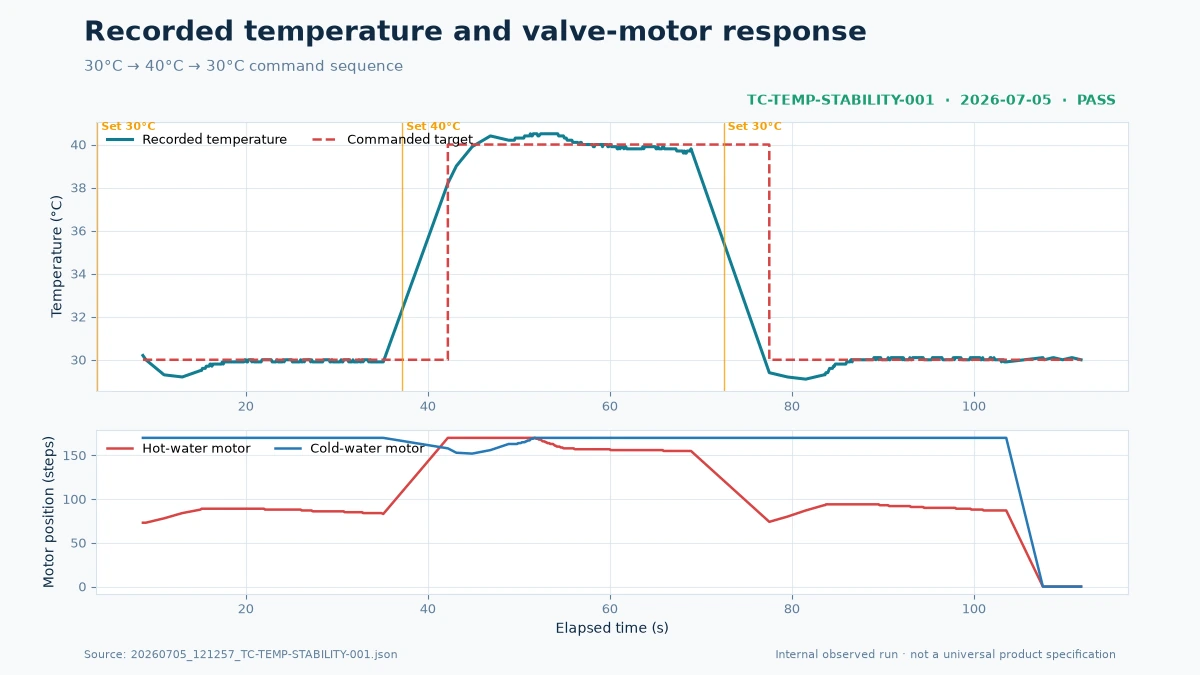
How to Test a Smart Shower: Commands, Protocols, Temperature, and Valve Traces
A practical guide to smart shower hardware testing across button events, UART frames, outlet switching, motor position, temperature traces, faults, and reports.
Read article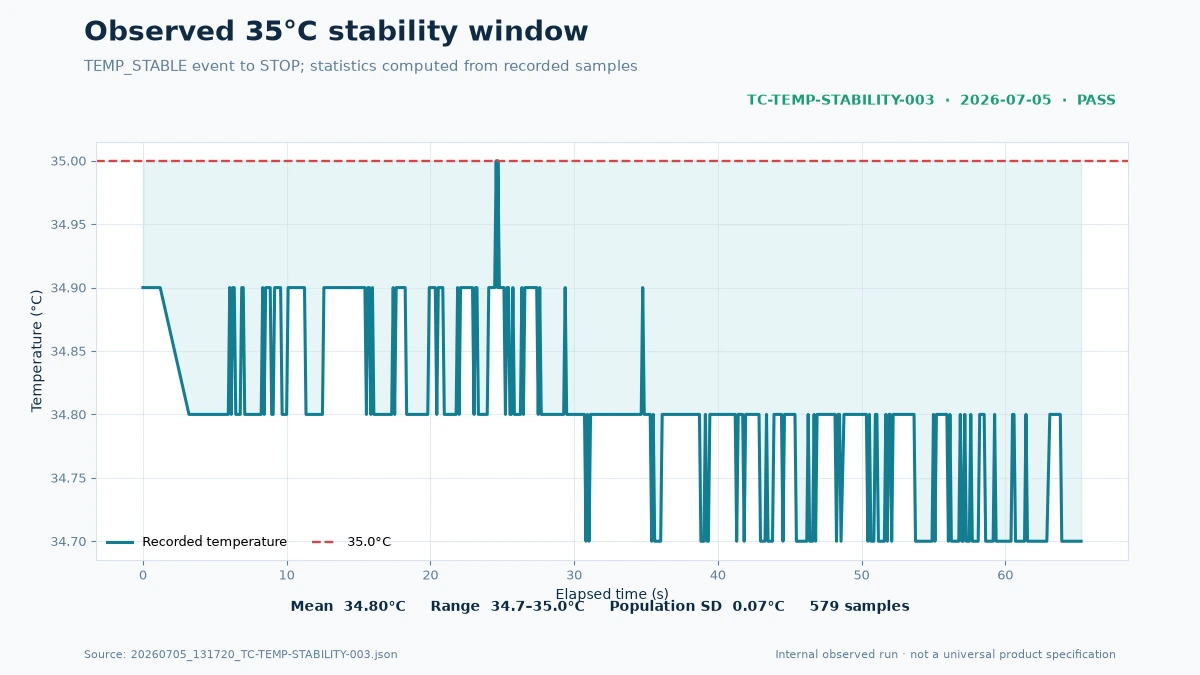
How to Test Smart Shower Temperature Control: Response, Overshoot, Oscillation, and Stability
Learn how response time, overshoot, oscillation, steady-state error, and long-term variation are measured in smart shower temperature-control tests.
Read article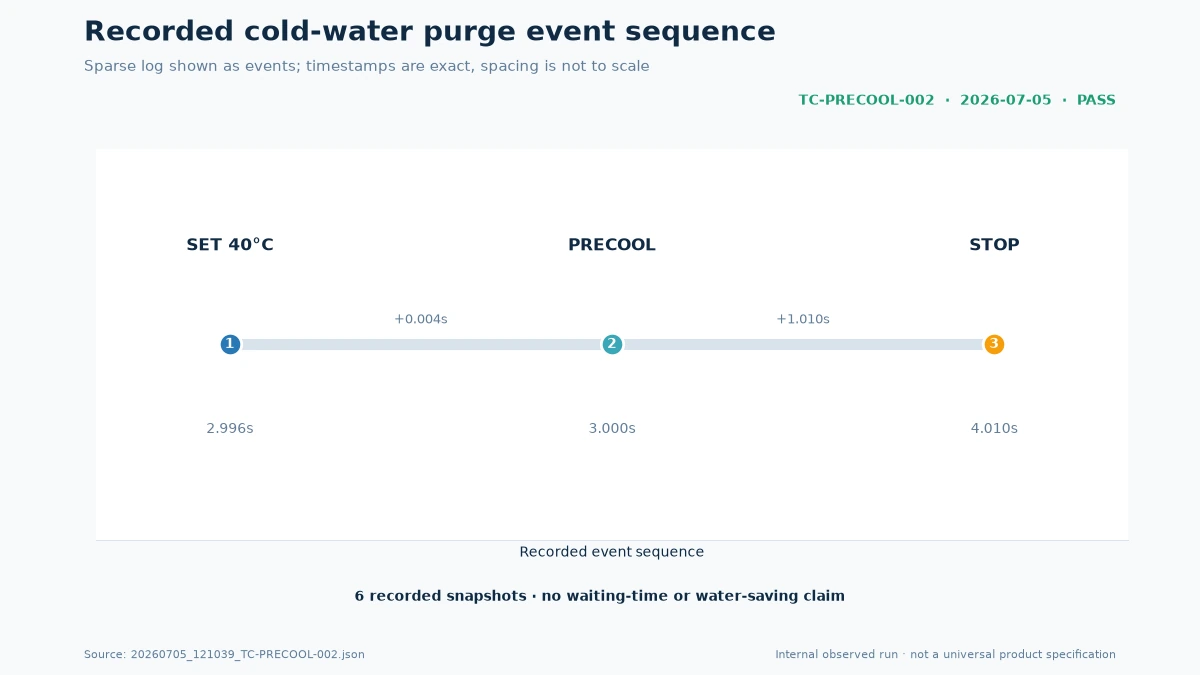
How Smart Shower Warm-Up Mode Works: Cold-Water Purge, Pause Logic, and Testing
Learn how smart shower warm-up mode purges cold water, detects temperature, pauses flow, differs from recirculation, and should be tested.
Read articleThermostatic Shower Valve Accuracy: Engineering ±0.5°C
Why thermostatic shower valves drift under pressure swings, flow changes, and inlet-temperature shifts, and how a ceramic mixing valve with closed-loop control holds a ±0.5°C reference target and how that accuracy is tested.
Read article
Product development
3Bathroom Product Development: From Concept to Certification
How patent-backed bathroom products are actually developed: the engagement models, the five engineering stages from problem definition to certification ramp, and what manufacturable and certifiable really mean.
Read articleHow to Choose a Bathroom Product Development Partner
A field-tested evaluation framework for bathroom product development partners: engineering evidence, IP terms, compliance design, manufacturing reality, and the questions that separate engineers from renderings.
Read articleOEM vs ODM vs Private Label: Product Development Models Explained
Compare OEM, ODM, and private-label models by development responsibility, customization, IP, cost, lead time, and risk, with a practical selection framework.
Read article